Call Us: 01407096448
WhatsApp: 01407096448English:
Passion Fruit — Naturally Tropical, Instantly Energizing
Experience the exotic delight of Passion Fruit — a tropical gem delivering a burst of tangy-sweet flavor and powerful nutrition in every spoonful.
Key Features:
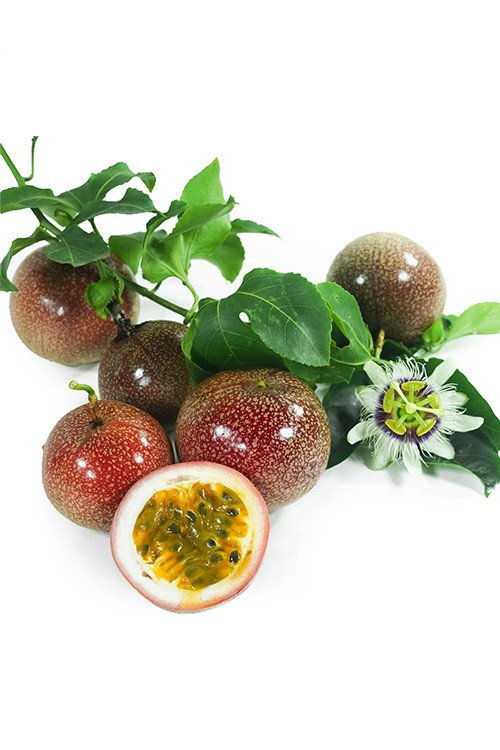
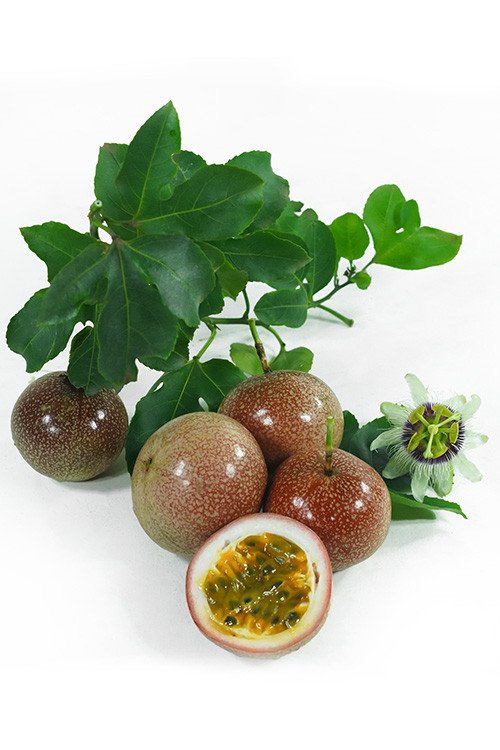
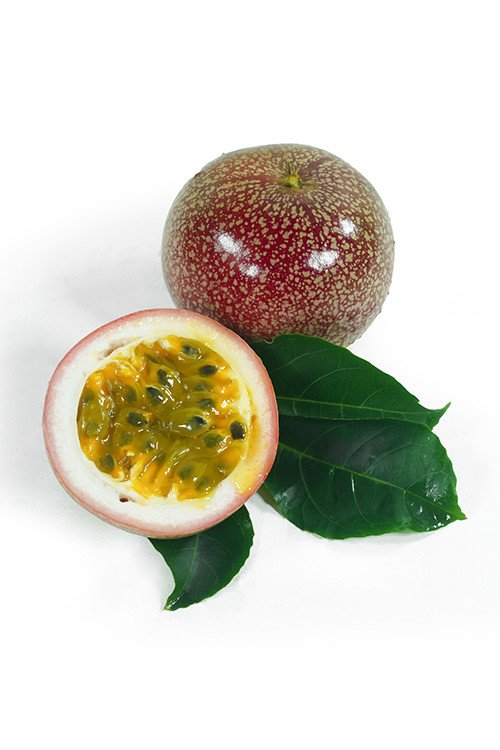
Vibrant & Invigorating – Featuring a smooth, oval rind in rich purple or sunny yellow, each fruit hides a jelly-like pulp brimming with crunchy seeds that balance tangy brightness with a touch of natural sweetness.
Pure & Naturally Ripe – Harvested at peak softness and flavor, with no artificial ripening or chemical intervention — just nature’s timing in every bite.
Farm‑Fresh Quality – Responsibly cultivated in tropical and subtropical climates, delivering freshness from vine to you.
Health Benefits of Passion Fruit:
Rich in Immune-Boosting Antioxidants – Packed with vitamins C and A, plus potent polyphenols and carotenoids to help combat oxidative stress and support skin and immune health.
High Dietary Fiber – Promotes digestive well-being, satiety, and supports heart health with both soluble and insoluble fiber — one cup may provide up to 24.5 g!
Gut & Heart Friendly – Naturally rich in potassium and magnesium, helping regulate blood pressure, while its fiber contributes to cholesterol and blood sugar control.
Metabolic Support – Contains piceatannol, a polyphenol that may enhance insulin sensitivity and support metabolic health.
Storage Guidelines:
At Room Temperature (18–24 °C / 64–75 °F): Keep until the outer skin becomes wrinkled and fragrant — a sign of ripeness.
Refrigeration (4–8 °C / 39–46 °F): Once ripe, you can refrigerate for up to 7 days; if the rind darkens, don’t worry — the interior stays fresh and flavorful.
Culinary Uses:
Spoon it fresh over yogurts or salads
Blend into smoothies, cocktails, or refreshing juices
Swirl into desserts like cheesecakes, pavlovas, or ice creams for a tropical twist
Why Choose Passion Fruit?
Because natural tropical indulgence should be flavorful and wholesome. Passion Fruit blends exotic zest with robust nutrition — rich in antioxidants, fiber, and vitamins, sustainably grown and ready to uplift your wellness with every tangy bite.
Passion Fruit Trivia:
The name “passion fruit” comes from 16th–17th century Christian missionaries who saw symbolic elements of the Passion (the crucifixion of Christ) in the passionflower’s structure
In Portuguese and Spanish, names like maracujá and maracuyá derive from the Guarani phrase meaning “fruit that serves itself”
The passionflower is Paraguay’s national flower, celebrated for its intricate beauty
Frequently Asked Questions (FAQs):
Q1: Where does passion fruit originate?
A: Native to South America—especially Brazil, Paraguay, and northern Argentina—the passion fruit later spread globally across tropical and subtropical regions
Q2: What varieties of passion fruit exist?
A: The two main commercial types are purple (smaller, sweeter) and yellow (larger, more acidic)
Q3: How do I know if it’s ripe?
A: Look for wrinkled skin—especially on purple varieties—indicating ripeness and sweetness. The rind color may range from deep purple to yellow or reddish tones.
Q4: Are the seeds edible?
A: Yes! The small crunchy seeds are edible, nutritious (rich in fiber and beneficial fats), and packed with flavor
Passion Fruit ( প্যাশন ফল )
Passion Fruit ( প্যাশন ফল )




 Estimated Delivery:
 Shipping Charge: