Call Us: 01407096448
WhatsApp: 01407096448English:
Akorr Organic Jute Leaves – The Potent, Protective GreenHearty. Viscous. Straight from Fertile Earth.
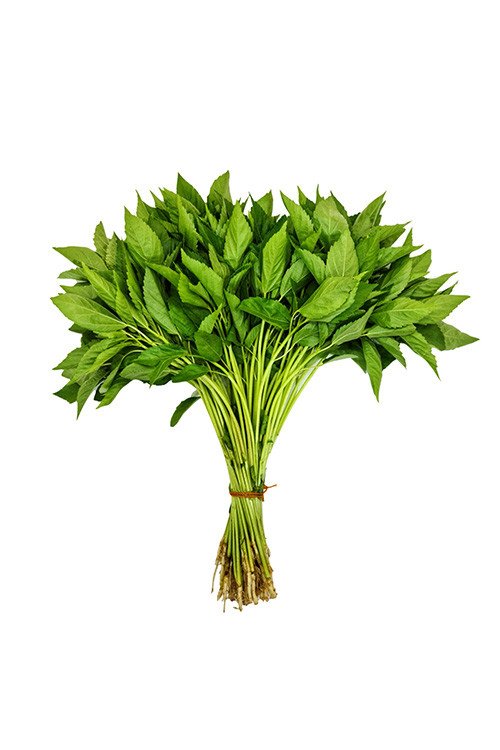
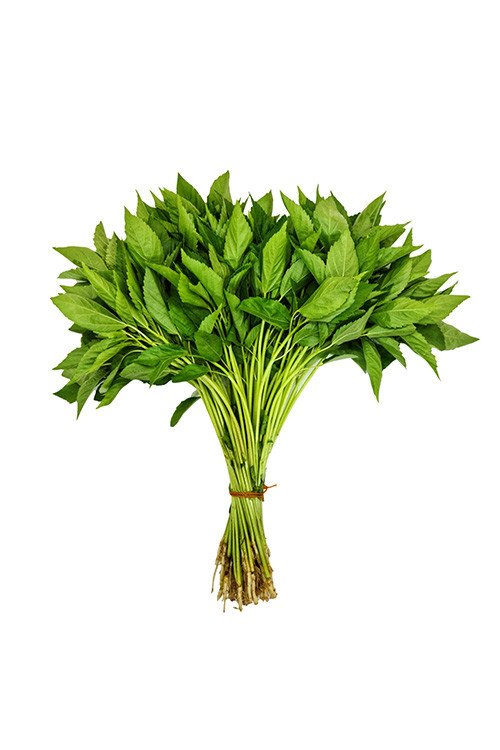
At Akorr, we grow Jute Leaves (Pat Shaak) the way nature intended—organically, in warm, humid climates, with zero chemicals and dedicated care. Harvested while young and tender, these broad, bright greens offer a slightly bitter, earthy flavor and a unique, mildly mucilaginous (slippery) texture when cooked, making them a natural, healthy thickener for any soup or stew.
Whether simmered into a velvety Egyptian Mulukhiyah, blended into a West African Ewedu soup, or simply sautéed with aromatics in an Asian stir-fry, Jute Leaves are the definition of a versatile culinary secret. Their rich nutrient content and ability to enhance body make them a staple in kitchens across Africa, the Middle East, and Asia.
Bone & Heart Health: Rich in Calcium and Magnesium, which are essential for maintaining strong bones and regulating healthy blood pressure.
Immunity Fortress: Contains high levels of Vitamins A, C, and E, which are powerful antioxidants that boost the immune system and protect cells from damage.
At Akorr, we’re committed to clean, conscious growing. Our Jute Leaves are nurtured using traditional organic farming methods, picked at their tender, young stage for the best flavor and least fiber, and delivered fresh—ensuring maximum nutrient potency and the ideal texture for your traditional recipes.
Jute Leaf Trivia – Did You Know?Mucilage Magic: When cooked, the leaves release a natural mucilage (slime), similar to okra. This acts as a completely natural thickening agent for soups and gravies.
Q: How should I cook Jute Leaves?
A: They are best used in soups, stews, or curries, where their natural thickening property is appreciated. Quick steaming or boiling is recommended to retain their bright color and nutrients.
A: Store fresh leaves loosely wrapped in a paper towel inside a plastic bag in the refrigerator, or blanch and freeze them for long-term use in stews.
Q: What is the main culinary use?
A: They are primarily used to give body and nutrition to comfort dishes like Nigerian Ewedu, Egyptian Mulukhiyah, or Bengali Pat Shaak Bhaaja (stir-fry).
Q: Are they different from the fiber used for sacks?
A: Yes, the vegetable leaves come from the same plant genus (Corchorus), but are harvested for culinary use long before the stalk is grown for its fiber.
Jute Leaves ( পাট শাক )
Jute Leaves ( পাট শাক )



 Estimated Delivery:
 Shipping Charge: