Call Us: 01407096448
WhatsApp: 01407096448English:
Earthy. Nourishing. Time-Honored.
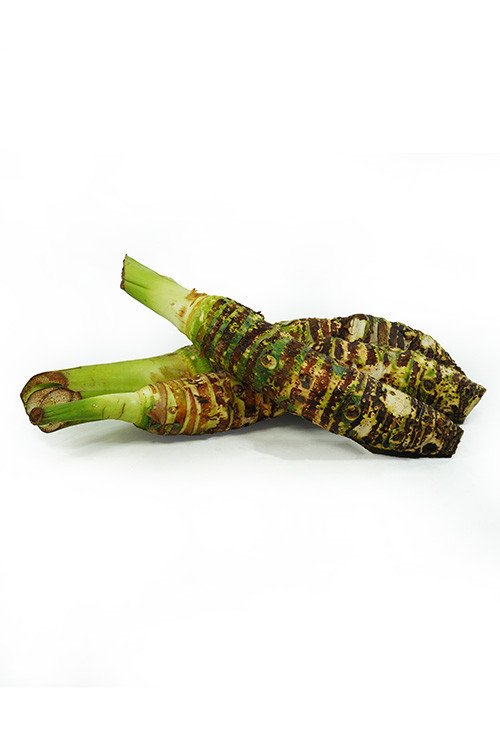
At Akorr, we honor traditional wisdom and sustainable practices—our organic taro roots are cultivated in fertile, chemical-free soil. Harvested at peak maturity, they offer an authentic, clean taste: subtle, nutty, and deeply comforting.
Why Taro Root Is a Kitchen Essential:
Rich in Fiber & Nutrients:One cup of cooked taro offers ~6–7 g fiber, manganese (≈30% DV), vitamin B6 (≈22% DV), vitamin E (≈19% DV), potassium (≈18% DV), and more
Balanced & Slow Energy: Contains complex carbohydrates and resistant starch, which supports blood sugar management and provides sustained energy
Gut- & Heart-Friendly: High fiber content aids digestion, while potassium supports healthy blood pressure and cardiovascular function
Allergen-Conscious Choice:Naturally gluten-free and widely tolerated, making it a great alternative in diverse diets
Versatile Flavor & Texture:Mildly sweet, nutty, with a texture that works in curries, desserts, fries, chips, stews.
Culinary & Practical Highlights:
Authentic Tropical Staple – Found from Southeast Asia to Hawaiʻi, where it's revered as "kalo," and central to traditional dishes like poi and taro chips
Culinary Flexibility – Ideal in savory and sweet dishes: curries, dals, stir-fries, baked desserts, bubble tea, mashed preparations, and more.
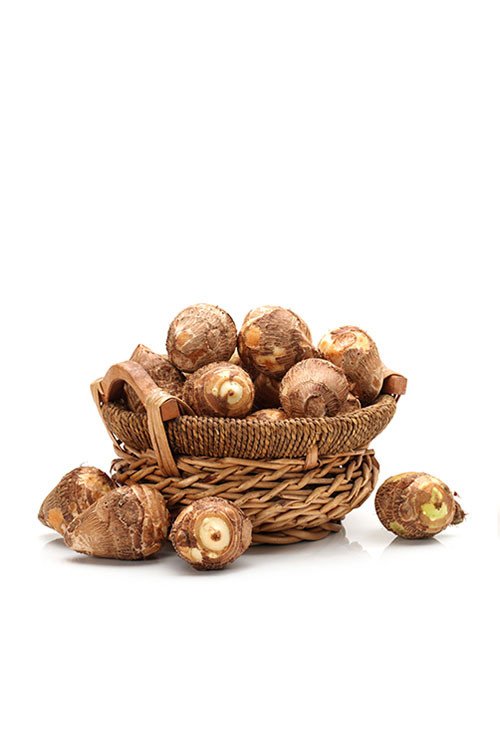
Perfect for Every Kitchen – Firm, heavy taro roots indicate freshness; best stored cool and dry. Should be peeled, rinsed, and always cooked before eating to deactivate irritating calcium oxalates
Why Choose Akorr Organic Taro Root:
100% Organic & Pure – No synthetic pesticides, antibiotics, or GMOs—just clean, responsibly grown taro.
Fresh from Soil to Shelf – Timely harvest and careful handling ensure each corm arrives intact, aromatic, and ready to elevate meals.
Cultural Integrity – Transforms heritage recipes into modern staples, bridging ancient kitchens with contemporary tables.
Trivia: Fascinating Tidbits About Taro:
Ancient Culinary Marvel
Taro is one of the world’s oldest cultivated food crops, with archaeological evidence pointing to its use going back 10,000 years—and possibly as far back as 28,000 years in parts of the Solomon Islands.
A Global Staple, Grown Everywhere
Originally from Southeast Asia, taro is now grown across the tropics and subtropics—from Africa to the Caribbean, the Pacific Islands, and parts of the Americas—making it a truly global staple.
Hawaiian Canoe Companion
Polynesian voyagers valued taro so highly that they carried it across the seas to Hawaii as one of their revered “canoe plants.” In Hawaiian culture, known as kalo, it’s deeply symbolic and central to the creation story
FAQ: Taro Root Essentials:
1. Is taro toxic when raw?
Yes raw taro contains calcium oxalate crystals that can irritate the mouth, throat, or skin. Always wash, peel, and cook thoroughly before eating.
2. What does taro taste like?
It has a mildly sweet, nutty flavor and a starchy, potato-like texture—making it versatile in savory and sweet dishes alike.
3. Why is cooking taro essential?
Cooking neutralizes the irritant oxalates. It also softens the starch into a pleasing, digestible consistency.
4. How to choose good taro?
Pick corms that feel heavy for their size, firm to the touch, with no soft, black, or dried spots.
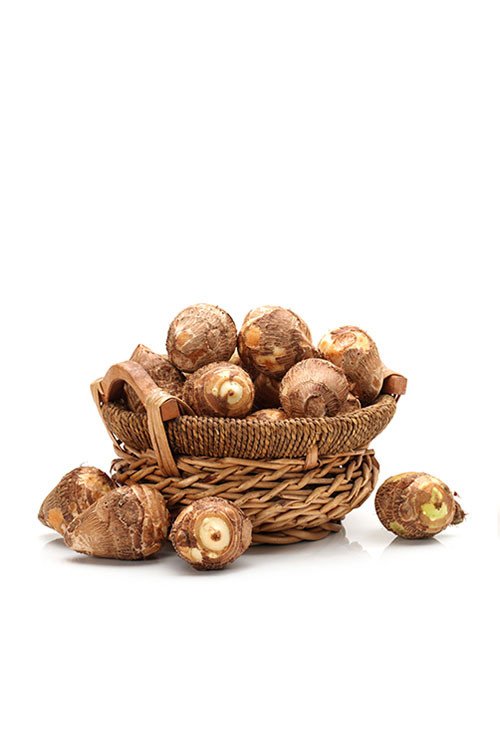
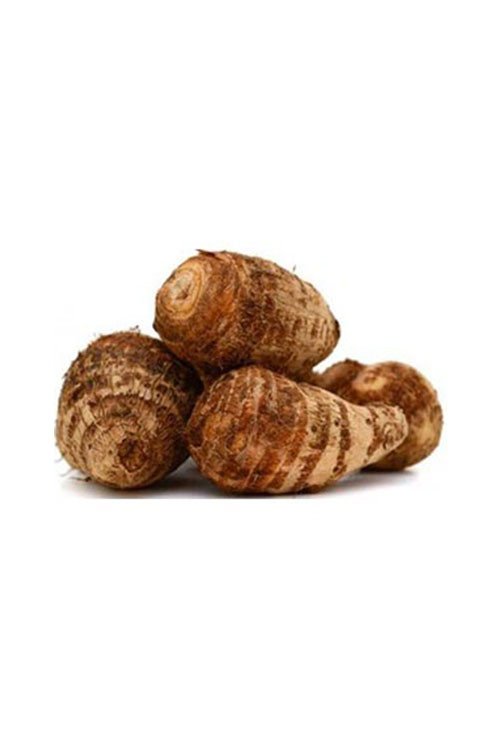
কচুর মুখি ( Taro Stolon )
কচুর মুখি ( Taro Stolon )



 Estimated Delivery:
 Shipping Charge: