Broiler chickens are bred for rapid growth that prioritises speed over natural development.


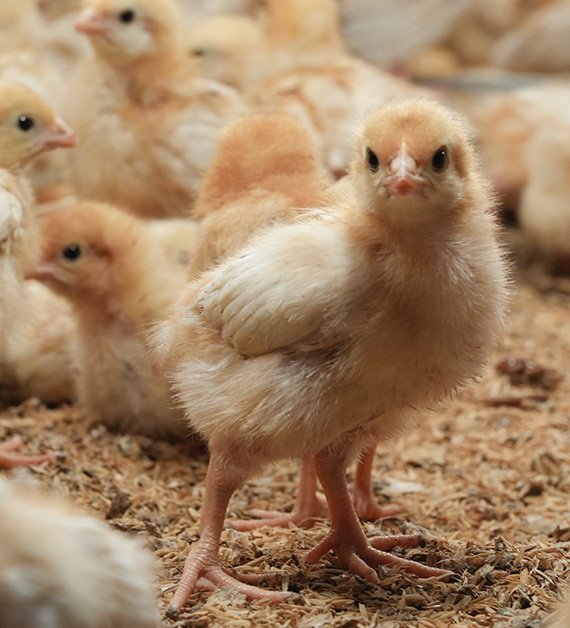
While poultry farming is essential to meet growing dietary needs, mass-production practices often prioritise volume over quality, raising long-term health concerns.
Broiler chickens are bred for rapid growth that prioritises speed over natural development.
Bred for egg production, these chickens begin laying eggs at around 18–22 weeks.
This can affect meat quality and taste and raise concerns about chemical residues.
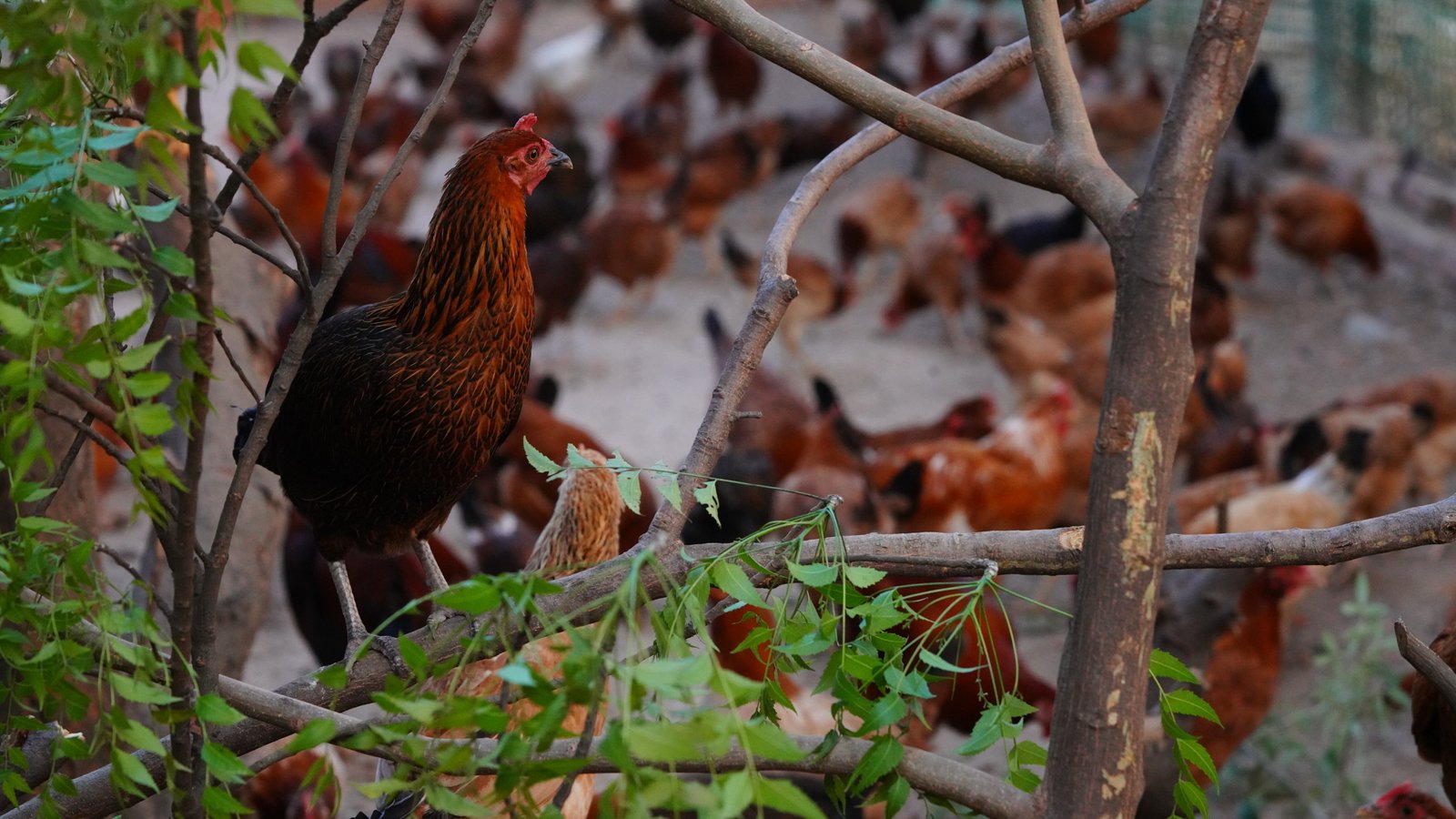
Many poultry farms turn to large-scale production to meet rising global demand, often overlooking proper ventilation, lighting, and disease control, while facing ethical and sustainability challenges.
Free-range chickens have access to open spaces, allowing natural movement and lower stress.
Balancing animal welfare and environmental responsibility remains the best practice in the industry.
Balanced, quality feed supports healthy growth, better nutrition, and consistent meat and egg quality.
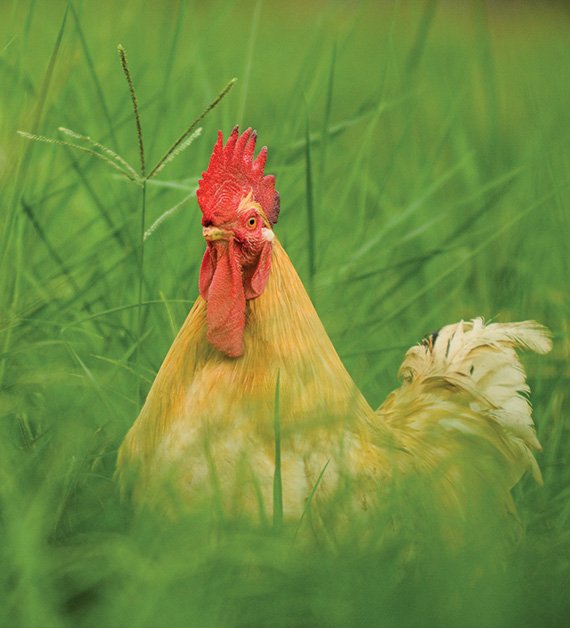
Poultry farming plays a crucial role in meeting the growing demand for animal protein worldwide. However, concerns related to animal welfare, environmental impact, and antibiotic use have prompted ongoing discussions about sustainable and ethical practices within the poultry industry.
Poultry processing involves slaughtering, eviscerating, and processing the meat into various cuts.
Hygiene and food safety standards are critical in these processes.
Order fresh chicken and eggs delivered straight to your kitchen.